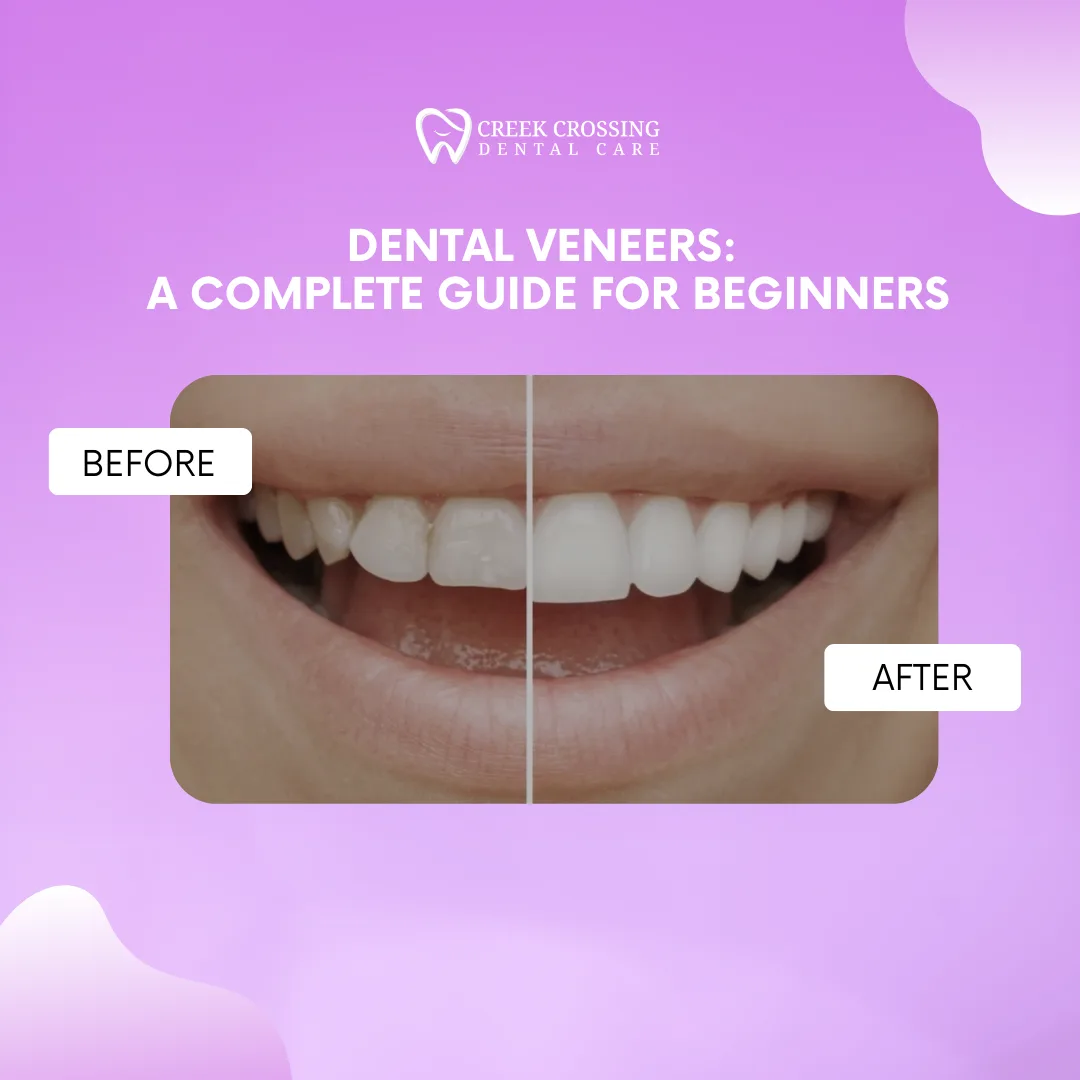
Many people hide their smiles because of stains, chips, or worn enamel. That self-consciousness shows up at work and at social events, and it rarely improves on its own. Cosmetic dentistry can correct these issues, and veneers are one of the most direct ways to do it.
Veneers are custom-made porcelain shells or composite resin coverings bonded to the front of your teeth. They cover stains, cracks, and chips, restoring both the appearance and the surface of the tooth.
Below you will find the two types of veneers, what the placement process involves, and how to care for them so they last. We also cover how veneers compare with teeth whitening, dental crowns, and dental implants.
Dental veneers come in two primary types: porcelain and composite resin. Porcelain shells offer durability and a natural translucency that closely matches real enamel, which is why they remain the most requested option in cosmetic dentistry. They resist staining well and hold their color over the years.
Composite resin veneers are easier to apply. The material is shaped directly on the tooth during a single appointment, so the result is immediate and the cost is usually lower. The trade-off is lifespan: composite stains more readily than porcelain and generally needs touch-ups sooner.
Both types conceal the same problems, small cracks, discoloration, chips, and worn-down enamel, and both leave far more of the natural tooth intact than a crown would. Which one fits you depends on your budget, how many teeth are involved, and how long you want the result to hold.
The process begins with a consultation. Your dentist examines the teeth and decides whether veneers are the right answer, because not everyone is a candidate. Untreated decay, gum disease, or a grinding habit usually needs to be addressed first, since a veneer bonded to an unhealthy tooth will not last.
Once you are cleared, the dentist prepares the teeth by removing a small amount of enamel from the front surfaces. This keeps the finished veneer flush with the neighboring teeth instead of looking bulky, and it gives the bonding material a surface to grip.
Next come impressions or digital scans. These are sent to the lab so each shell is made to match the shape and shade of your natural teeth. While the permanent veneers are being fabricated, temporaries protect the prepared teeth.
At the final visit the dentist checks fit, shade, and bite before bonding the veneers in place. From that point the teeth look and function normally, and the work shifts to keeping them that way.
Veneers do not need special products, but they do need consistency. Brush twice a day and floss daily so plaque does not build up along the margins where the veneer meets the tooth. A soft-bristled brush protects both the veneer surface and the surrounding enamel.
Keep your regular checkups. Professional cleanings reach what brushing cannot, and the exam is where a lifting edge or a small chip gets caught while it is still an easy repair. Avoid using your teeth as tools, and skip biting ice, pens, and fingernails.
Coffee, red wine, and tobacco will not stain porcelain the way they stain natural enamel, but they will stain the teeth around it, which is how a veneer starts to look mismatched. Limiting them keeps the whole smile even.
Teeth whitening lifts stains but cannot change the shape of a tooth or hide a chip, and it does not lighten existing dental work. Veneers handle color and shape in one step.
A dental crown covers the entire tooth and is used when the tooth needs structural support after a fracture or a root canal. It removes considerably more tooth structure than a veneer does. A dental implant is a different treatment again: it replaces a tooth that is already missing, root included.
Call 469-333-6158 to schedule a veneer consultation at 1927 Faithon P Lucas Sr Blvd Ste 120 Mesquite TX 75181-1698, and we will tell you honestly which of these options actually fits your teeth.
Dental veneers are thin, custom-made shells of porcelain or composite resin bonded to the front of your teeth. They cover stains, small chips, cracks, and worn enamel, giving the tooth a new front surface without the more extensive reshaping a crown requires. Because they sit only on the visible side of the tooth, veneers are considered a cosmetic restoration rather than a structural one.
Veneers suit people who want to correct staining, minor chips, or worn enamel on teeth that are otherwise healthy. Active decay, gum disease, or heavy grinding usually need to be treated first, since a veneer bonded to an unhealthy tooth will not last. Not everyone qualifies, which is why the process starts with an exam and a conversation about what you want your smile to look like.
After the consultation, the dentist removes a small amount of enamel from the front of the tooth so the veneer bonds securely and sits flush. Impressions or digital scans are taken and sent to a lab to make the custom shells, and temporaries protect the prepared teeth in the meantime. At the final visit the veneers are checked for fit and shade, then bonded permanently in place.
Whitening lifts surface and internal stains but cannot change tooth shape or hide chips, and it does not work on existing dental work. Veneers cover both color and small shape problems at once. A crown encases the entire tooth and is used when the tooth needs structural support, so it removes far more tooth than a veneer does. An implant replaces a missing tooth entirely and is a different treatment altogether.
Porcelain veneers commonly last many years with routine care, while composite resin veneers typically need touch-ups sooner. Brush twice a day with a soft-bristled brush, floss daily around the edges of each veneer, and keep regular checkups so small problems are caught early. Avoid biting ice, pens, or fingernails, and limit coffee and tobacco to help keep the surrounding teeth matched in color.
Reading about it only gets you so far — if something hurts or you're overdue for a visit, we can help today.Learn more about porcelain veneers in Mesquite, TX, cosmetic dentistry, teeth whitening and teeth bonding, or get in touch below.
Tell us a little about what you need — we'll be in touch shortly.
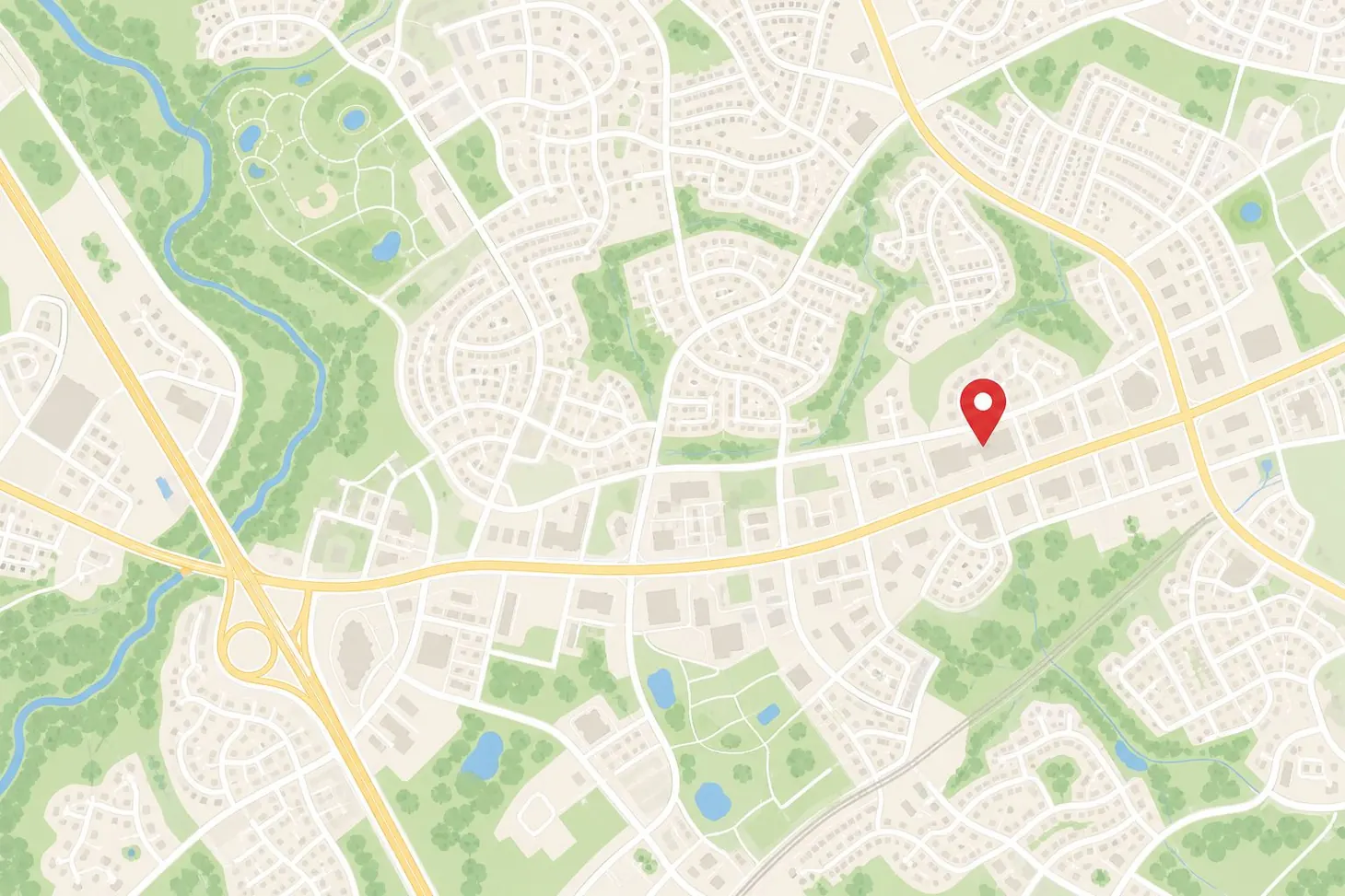
1927 FAITHON P LUCAS SR BLVD Ste 120 MESQUITE TX 75181-1698, United States

Hi! I'm Tooth fairy! Your AI Assistant Ask me anything